Translate

Saturday, January 30, 2021

The Most Emotionally Intelligent Zodiac Signs Ranked From Most To Least

The Most Emotionally Intelligent Zodiac Signs Ranked From Most To Least


One of the finest qualities anyone can have is emotional intelligence. It is quite an important trait required, to gain victory over one's personal and professional life. Being emotionally intelligent means you have the ability to recognize, comprehend, and manage your own emotions. You can also recognise and influence the emotions of others. In account of this, we bring to you a list of most emotionally intelligent zodiac signs, ranked from the most to the least.


Pisces


The most effusive sign of the zodiac is Pisces. They are quite emotionally intelligentand no one is more emotionally intuitive than them. People born under this zodiac sign are able to process things on a deeper and intense level. Pisceans are generous, kind and care about everyone’s feelings around them.

Cancer

The second most emotionally intelligent sign is Cancer. They tend to feel deeply, over-analyse a lot and also carefully examine every thought. On the surface, they look a lot tougher than they really are. However, in reality, they are highly sensitive and delicate, which gets them easily upset and disappointed.

Libra

Their emotional intelligence is indeed noticeable because of their inability to make a decision. Librans will weigh every situation and assess every possible outcome, only to arrive at a carefully-analysed conclusion. They are very cautious while taking any unrehearsed step.

Gemini

Geminis find it very difficult to keep their emotions under control. If they get upset by something, everyone will quickly notice it. Even if they try really hard to hide their emotions, one can comprehend their worry and disappointment. Their emotional intelligence is visible in their linguistic and listening skills.

Virgo

Their emotional intelligence is higher than it seems as they are highly judgemental of themselves. If Virgos happen to fail in a task or decision, they will readily beat themselves up to it. They know what their priorities are and so, they will never leave out any efforts into making their dreams and ambitions come true.

Scorpio

Scorpios wear their hearts on their sleeves. It’s not a big deal for them to show their vulnerability, but they dwell in a constant fear that someone will use their 'weakness' against them. If someone happens to take advantage of a Scorpio–they will never stop ghosting them. At least, not until they get sufficient revenge. They use their emotional intelligence to take care of those who hurt them.

Capricorn

Capricorns don’t have time for emotions. It’s not that they don’t care, they just prefer logical and practical facts. They will give you advice and tell you exactly what to do, but they will also lose patience and leave, if you don’t listen to them right away. They demand attention if they are going to be the mastermind organiser of plans.

Taurus

Taureans are best at solving problems. Their generous side is mostly hidden because they don't like to reveal their emotions to others. When someone won’t listen to what they are suggesting, Taurus will back down and leave them alone. This zodiac sign also prefers attention; they want others to listen to them first, without making a decision.

Leo

Leos are more egoistic and self-centred. They are sensitive and emotional but only in situations that involve their near and dear ones. Emotional intelligence involves self-awareness and acceptance of your own weaknesses and strengths, and Leos just don’t possess that. The know-it-all zodiac sign is extremely confident about themselves.

Sagittarius

These people are not that emotionally intelligent because they are loners and can't handle emotions properly. Sagittarians can’t even grow empathy for others–they can't understand others because they simply fail to recognize others' feelings and be at their pace.

Aries

As far as emotional intelligence is concerned, Aries have none. They always rush into things, are way too busy to stop and think about how others might be feeling. Their lack of understanding usually hurts someone. What's worse is that, sometimes they don't stop at criticising someone else for their own pleasure.

Aquarius

Regarding emotional intelligence, they are definitely at the bottom of the list. They are very scared of trusting people and have a hard time getting attached to someone emotionally. They are dwellers of their own world where they find peace within themselves. They are the happiest when they are distant and aren't forced to socialise or talk deeply with others.


Source : Times of India


Sunday, January 3, 2021

Creative Ways to Keep Kids Active

Creative Ways to keep your Kids Active

Need some ideas to keep your ? Here are some fun ways to keep your child moving.

If your child is struggling with obesity or lack of focus they’re not alone. In the United States, 18.5% of children ages 2 to 19 are obese and that number increases to 20% for teenagers. Unfortunately, obesity isn’t a benign condition. It increases the risk for heart disease, diabetes, breathing and joint problems, and psychological struggles. While lack of concentration leads to low output and hence lower the child's confidence further lowering their success.

Consider some of these ideas to help get your child excited about moving whether or not they are obese,  but to increase their focus span and thereby quality of life :

Make their morning routine a race

See which child can get ready first—because there’s nothing like a little competition (and maybe a reward) to spark some motivation. If your children’s morning routines don’t include moving around, throw in a task that requires going up and down the stairs. Declare the winner of the day and make it a big deal.

Utilize family time

If family bonding usually involves watching a movie or sitting around talking, switch things up. Go on a walk after dinner, play a sport together, or go swimming. Or when the weather is bad and going outside isn’t a good option, start a family tradition of playing sock hockey inside.

Learn something together

Pick an activity that interests you and your child and that neither of you knows how to do. This is your chance to learn something together—like skateboarding or rock climbing. Your kid will probably enjoy watching you make a fool of yourself, and you’ll get to spend time with them and be active together.


Include it in the chore chart

This may not be the right approach for everyone because you don’t want your child to hate exercising, but if they’re motivated by finishing tasks on their chart, it may be a great fit. Including it in their daily chores will help develop a habit quickly.

Find the right activity for them

It may go without saying, but if your child has no interest in playing basketball, forcing them to play basketball isn’t going to be motivated to move. If conventional sports are not their interest, there are plenty of other options that might be more interesting to them, such as:

  • Hiking
  • Yoga
  • Fencing
  • Rowing
  • Aerobatics class
  • Horseback riding
  • Martial arts
  • Gardening
  • Origami
  • Sculpturing
  • Pot making and colouring
  • Clay art
  • Working painting
  • Mandala art
  • Unconventional sport

Slip it into your errands

Going to the store may not be the workout your child needs, but it’s better than nothing. Bring them to the store with you and let them be your runner to get them far away items. Finding ways to walk or bike to complete your errands will also help to be active seem less like a chore.

Get involved in a lifelong sport

If you can help your child get interested in a lifelong sport (ones that are easy to maintain after they are out of high school), it will be easier for them to carry on the practice for years to come. These are sports like swimming or tennis that don’t involve an entire team and are easier on the joints.

Make screen time active

For children really interested in video games, add some video games that require them to be active in their screen-time sessions. It’s a win-win for you both.

Every child is different so be willing to try multiple options to incorporate more activity.

What’s your child’s favorite activity? Tell me on my facebook grp or in comment section—I would love to hear from you. 

https://www.facebook.com/groups/3301307743225916/?ref=share

Cheers


Friday, September 25, 2020

Tips to Identify and Resolve Possible Sleep Issues in Children


Sleep issues in children can quickly disrupt any household. If your child doesn’t sleep well at night, they can have issues with concentration during the day. They can also have an increase in behavioral problems and moodiness. Furthermore, usually, if your child doesn’t sleep well, you as the parent won’t sleep well either.

As humans, we all need to sleep for daily rejuvenation. Developing children, especially, need sleep for healthy growth and lifestyles. In short, sleep matters. In fact, it matters a lot more than making sure you don’t feel grumpy in the morning. Sleep affects many realms of our health and development. This makes it paramount that parents ensure that their children get a restful amount of sleep as often as possible.

Staying healthy involves a person’s whole being. You can’t separate diet from exercise from sleep and only focus on one area. Each area affects the others. In this article, though, we focus specifically on making sure that your child sleeps well and ways you can help with that critical part of their development. Ultimately, we want to help parents as much as possible with staying on the offensive when it comes to their child’s sleep habits.

Indications of Possible Sleep Issues in Children

Sleep matters for children and adults alike, but we especially need to pay attention to the sleep patterns of our children. How well someone sleeps can make a large impact on many areas of life. Sleep can impact so many things including your feelings, your ability to learn or concentrate, and how you interact with others. Additionally, sleep deprivation can increase the chances of weight gain, heart disease, and other health problems.

With all this in mind, parents need to know some of the possible indicators of sleep issues in children. With knowing the potential signs of sleep issues, parents can have tools to help resolve concerns before they become unmanageable. Let’s look at some of the primary causes of sleep issues in children.

Excessive Daytime Sleepiness

One of the largest indications of possible sleep issues in children is a condition known as excessive daytime sleepiness. With this condition, children feel fatigued or lethargic during the day, and oftentimes simply don’t get enough sleep at night. This condition can be caused by brain or medical conditions, a concussion, or even simple disruptions in a child’s regular routine.

If you notice that your child feels or acts tired during the day on a consistent basis, excessive daytime sleepiness might be a contributing factor. This might point to not sleeping well at night or simply not getting restful sleep. In fact, some children do get a full night’s sleep but since the sleep isn’t restful or deep they still experience excessive daytime sleepiness.

If you see signs of excessive daytime sleepiness, you should talk to your pediatrician about possible resolutions. Studies have indicated that the condition might contribute to behavioral and conduct issues and impact performance at school. Before your child starts to have issues with school performance, though, you should try to find ways to limit daytime sleepiness as much as possible.

Snoring

Another key indicator of sleep issues in children to pay attention to is snoring. We all associate snoring as an accepted part of sleep, but in children, snoring might point to larger problems at hand. Many children and adults snore occasionally. A child, though, who snores on a consistent basis might have underlying issues affecting their overall sleep.

In general, snoring can appear as a symptom of a number of things from weight gain to seasonal allergies. If you notice your child snoring heavily or regularly, you might talk to your child’s pediatrician. Occasional snoring might not present issues especially if it results from short-term allergies or infections. Frequent occurrences might point, though, to enlarged tonsils or adenoids or even a case of sleep apnea.

Since snoring has to do with how your child breathes while they sleep, it can point to larger problems involving not breathing well which might also keep them from having restful sleep. The best path to follow is simply to consult with your pediatrician if you notice a regular pattern of snoring.

Sleepwalking or Nightmares

Thirdly, sleepwalking or nightmares can also point to sleep issues in children. Sleepwalking typically occurs more often in children than adults as most people eventually outgrow the behavior. Sometimes, it might come about naturally and not as a result of another sleep issue. For instance, if both parents had sleepwalking episodes as children, then their child might also sleep walk.

Other times, though, sleepwalking can occur or happen more frequently as a result of fatigue or irregular sleep schedules. Stress or sickness can also bring it about. As a result, parents just need to be extra aware if they notice sleepwalking in their children. While it doesn’t necessarily point to other sleep issues, in some instances it can be an indicator of other things impacting normal sleep.

Similarly, nightmares occur at different times for most children. Infrequent nightmares typically do not present any reason for concern. However, frequent nightmare episodes can lead to disrupted sleep patterns and issues with falling and staying asleep. If your child experiences frequent nightmares, you might try to identify the reason for the episodes. Stress, fatigue, or other factors might cause an increase in nightmares. With identifying any underlying causes, you can help to limit their impact on your child’s overall sleep behavior.

Addressing Sleep Issues in Children

If you identify a possible sleep issue in children in your household, you next want to find ways to start addressing it. Fortunately, many times parents can make slight adjustments to the environment or nightly routine to help encourage better sleep. Though every situation might be different, some general approaches might nevertheless provide some help. Let’s discuss some of the best home remedies for effectively addressing sleep issues in children.

Establish a Regular Sleep Routine

The first step for addressing potential sleep issues in children should involve establishing a regular sleep routine. Children, on the whole, need regular consistent schedules. Routines and schedules help reinforce healthy practices. Schedules provide boundaries and helpful structure in life. They also train our bodies to behave and react a certain way. When it comes to sleep, a sleep routine can help train your child’s body to start preparing for rest.

As part of preparing a sleep routine, you should consider such things as when your child last eats, stops watching TV, takes a bath, puts on their pajamas, brushes their teeth, and lays down. Each element of their nightly routine should occur at approximately the same time each night. Additionally, each element should build on the action before leading up to laying down and resting.

These physical cues can act as subtle indicators to your child’s mind and body to start slowing down for a restful night’s sleep. Having a regular sleep routine and sticking with it can possibly help resolve many sleep issues and can even help with things like ADHD management.

Pay Attention to Screen Time

Next, to supplement your child’s sleep routine, you need to make sure you pay attention to electronic usage and screen time close to bed. The younger your child is, the less time they should spend around screens to begin with. For anyone, though, child or adult, using electronic screens makes it difficult for our minds to shut off. As a result, screen time usage at night can prevent you from falling asleep or can delay sleep. For kids especially, studies have shown that screen time close to bed leads to less sleep and lower quality sleep overall.

To help create a space for sleep, you should make sure your children start turning off electronics early. Ideally, they wouldn’t use electronics of any kind in the hour to two hours before bed. At a minimum, though, you should make sure that the screens go off at least 45 minutes before lying down. Making this a consistent practice and policy in your home helps your child with preparing for sleep before they ever lay down in their bed.

Avoid Sugar and Caffeine Close to Bedtime

Thirdly, to help resolve sleep issues in children, you need to make sure that your child doesn’t consume sugar and caffeine close to bedtime. Sugar provides energy that awakens your body and mind. The last thing a child or anyone needs close to bedtime is more energy. Instead, you need to help your body start preparing for rest. Sugar works against this natural process.

Likewise, caffeine close to bedtime can keep a child up for several more hours. As a result, parents need to make sure that their children don’t drink caffeine drinks at night. The best practice should be to try to avoid caffeine at or after dinner.

In fact, you should really limit most food and drink consumption after dinner and definitely after 7 pm at night. Limiting your child’s access to sugary and high-energy drinks and foods simply aids in helping your child’s body to shut down better. While every now and then you might break routine for a special treat, in general make sure to keep the sugary foods and drinks put away before bed.

Maintain a Sleep Enabling Environment

Finally, another helpful approach for addressing sleep issues in children involves making sure the sleep environment encourages sleep. This means making sure that the bedroom has a comfortable sleeping temperature. Additionally, you need to make sure to minimize light in the room as much as possible. You also need to limit noise coming into the room or provide a sound machine to help make a soothing sleep environment.

Essentially, you need to avoid an environment that is bright or loud or too hot or too cold. These elements can make sleep difficult if not impossible. For young children who would rather do anything other than sleep to begin with you don’t want to provide them any excuse not to sleep.

When your child goes to bed, make sure they feel comfortable in their bed. Make sure that they don’t have anything that might provide them a reason to stay awake. For instance, for children who might get distracted by toys or books, make sure you put these all out of reach. When your child heads to bed, they should enter a room set up to completely encourage sleep. Making sure that the environment allows for sleep helps resolve many issues that might keep your child up late at night.

Working With Your Pediatrician to Resolve Sleep Issues in Children

Hopefully in this article we have been able to cover key indicators of possible sleep issues in children and how to address them well. One thing we have yet to cover in depth, though, is making sure to include your pediatrician in how you approach sleep issues in children. As we have mentioned before, your pediatrician acts as a powerful ally in protecting your child’s health. They oftentimes have the tools and insight that can help you see the bigger picture of how to help resolve problems like trouble sleeping.

If you notice potential sleep issues in your child, you should discuss possible causes with your pediatrician. In rare instances, your pediatrician might even prescribe sleep medication if other approaches prove unsuccessful. Whatever the approach, though, your pediatrician can act as your greatest ally in resolving sleep issues in children for good.


Friday, September 18, 2020

How Whey Protein helps in a Child’s Growth and Development


Toddler years are a time of rapid growth and development and protein is particularly important during this stage. Apart from ensuring healthy eating habits for kids, it’s important to understand the role of whey proteins in your child’s growth. Let’s find out what is whey protein and how is it beneficial for your child’s growth and development.

Why whey protein?

Whey is considered to be a complete protein because it contains 9 essential amino acids and has low lactose content. This makes whey proteins easily digestible. Whey protein also contains 

Whey Protein for Kids Mobile

How Whey Protein helps in a Child’s Growth and Development

Toddler years are a time of rapid growth and development and protein is particularly important during this stage. Apart from ensuring healthy eating habits for kids, it’s important to understand the role of whey proteins in your child’s growth. Let’s find out what is whey protein and how is it beneficial for your child’s growth and development.

Why whey protein?

Whey is considered to be a complete protein because it contains 9 essential amino acids and has low lactose content. This makes whey proteins easily digestible. Whey protein also contains leucine, an important amino acid for building muscles.

Is Whey Protein Safe For Your Child?

Whey protein is completely safe. It is derived from cow’s milk. The cow’s milk is made up of 80% casein (a type of protein that gets digested slowly) and 20% whey. Hence, a nutritious milk supplement powder should contain whey for its beneficial properties like the ease of digestion and safety.

Whey is also a rich source of protein for fussy eaters who miss out on adequate protein as they don't have certain food types.

H Kids

Why is whey protein supplementation important?

Supplementation with whey protein to a child’s diet can become essential for:

● Meeting Protein Requirements for your child

Whey Protein is important for your child’s growth. Supplementation with whey protein can be a quick and healthy option to gain adequate nutrition.

● Fussy eaters

Is your child a fussy eater? If yes, then supplementation with whey protein could help your child in making up for the lack of proteins and other nutrients in their diet.

● Vegetarian

Your child requires essential amino acids; some of which are primarily found in meat and poultry. You can add whey protein to your child’s diet in that case.

How Much Protein is Enough for 2 to 4-Year-Olds?

The protein requirements vary with age for children. As per Indian Council of Medical Research, the protein requirements for a 1-3 year old child and 4-6 year old child are 16.7g/d and 20.1g/d per day respectively

We hope that this article will help you in understanding about whey protein and how it can help you in supporting your child's growth adequately.

Where to get Whey Protein?

Milk is the only source of whey.

Whey protein is one of the primary proteins found in dairy products. A byproduct of thecheese-making process, whey protein provides substantial amounts of the essential amino acids that are needed to carry out the functions that proteins perform in the body.

Like all animal products, eggs are a completeprotein source. That means they provide all nine essential amino acids that your body can'tmake itself. What's more, egg protein is second only to whey as the highest source of leucine, the BCAA that plays the largest role in muscle health.

Tuesday, September 8, 2020

Purchase the book - The Game Changer

My book is about that secret ingredient which accounts for 80% of our success.  And  we only focus on 20% that is skillset.
Must read.

https://www.amazon.com/dp/B08H1X71K8/ref=cm_sw_r_cp_awdb_t1_e-AuFbNC4AQFXTo buy in amazon.com

To buy click here

The Game Changer- Emotional Intelligence : Secret Ingredient for Successful Life and Happier Relationships

GET AHEAD IN LIFE BY DEVELOPING YOUR EMOTIONAL INTELLIGENCE AND BECOMING A PERSON OF VALUE


Are you an introvert and need to learn how to be more sociable?

Do you want to expand your social circle and get ahead in your career and in life? 

If you answered “yes” to any of these questions, keep reading.

A lot of people do not achieve their full potential in life because they do not know how to work with others whether they be colleagues or family members. The truth is obvious. We need people in our lives to get work done and help them with what they need. But it is being conscientious of the fact that yields a positive outcome for both parties concerned. 

Some people might not know what emotional intelligence or EQ means or how it works. It is not necessarily a bad thing. But if you ask those who are truly successful in life, they will invariably know. That is because social skills are a necessity to achieve great outcomes. 

In this book you’ll learn:

What does EQ mean, what comprises it, what are its benefits and how it can help us in life

What is the key to better understand other people, how do we put ourselves in others’ shoes

What is the relevance of procrastination in EQ, why do people procrastinate and how to avoid it to be more effective 


How does stress affect our ability to be more sensitive, and how do we manage it better
How to Release Negative Emotions and Empower the Positive Ones

How To Deal With Your Internal Dialogues

How to Forgive Yourself and How to Forgive Others

How to Free Yourself from Other People’s Opinions and Judgments

How to Empower Yourself and Get Rid of Stressl

How to Examine Your Thoughts

The Art of Asking Yourself the Right Questions and Discovering Your True Self!

You get a better perspective on how you can become a person that is valuable to others, develop better friendships and develop relationships that will be extremely useful to you. 

And much more!

Even if you are a beginner and do not know what EQ means, that is Ok. The essential thing to realize is that success, whether it is at work or at home, is more likely if you develop your emotional intelligence abilities. Whenever you get a chance to talk with highly successful people and ask how to be successful, you will realize that one answer will be common in their advice to you; become a better people person. 

To buy click the link below

https://www.amazon.in/dp/B08H1X71K8/ref=cm_sw_r_wa_apa_lYptFb0HVWVG1To buy click here

Monday, July 20, 2020

Keys to Motivate Kids to Love Learning

Teach Your Child to Love Learning: Keys to Kid's Motivation 

Happy children working together on stem project in classroom ...

There are few things more aggravating to parents than a kid who “doesn’t try.” Whether it’s math homework, dance class, or those guitar lessons they begged for but now never practice, we want our children to be eager learners who embrace the effort, relish challenges and understand the value of persistence. Too often, what we see instead is foot-dragging avoidance and whiny complaints of “This is boring!”

Finding the fun

Sometimes motivation is easy. When a task is fun and interesting, trying hard feels effortless. A child who loves basketball may endlessly practice free throws. A child who is fascinated by Greek gods may devour books on this topic. All of these are examples of intrinsic motivation because motivation comes from the enjoyableness of the task itself.

When we can, it’s a good idea to muster intrinsic motivation by turning have-to-do learning tasks into fun-to-do activities. Being playful, using humor, letting kids explore, arousing their curiosity…these are all ways to make learning tasks more enjoyable.

But intrinsic motivation will only take our kids so far. Sometimes learning is just plain work, and motivation needs to come from something beyond the task.

The risks of rewards

Often, when children’s motivation is lagging, adults offer rewards to get kids moving. These tend to work temporarily. Using a sticker chart or offering to buy a small toy will often lead to a short-term increase in the behavior you want. Sometimes that’s all you need. If it’s a just-getting-over-the-hump situation, a small reward can help kids move past a bit of reluctance, especially if the task will become easier or more enjoyable with practice.

But using rewards to inspire motivation has drawbacks. After about three weeks, children tend to get bored with reward systems and parents get fed-up with them. Rewards imply that the task is optional. Kids may decide, “It’s not worth it!” and give both the task and the reward a pass. They may also try to work the system by arguing about the criteria or doing the bare minimum just to get the reward.

Frequent use of rewards can also lead to a very unattractive bargaining attitude in children. You don’t want to train your kids to respond to your every request with a demand of “What do I GET if I do that?”

Rewards can also undermine intrinsic motivation when they imply to children, “This is not something you would choose to do on your own! You’re only doing it for the reward.”

Rewards are about external control. But what we want for our kids is the internal motivation that comes from who they are and what they value—motivation they can muster even when the task isn’t pleasant, and when we’re not around to prod them.

Building internal motivation

Based on their extensive research, Edward Deci and Richard Ryan at the University of Rochester point to three essential needs that underlie internal motivation: competence, autonomy, and connection. By addressing these needs, we can help children develop internal motivation.

Competence

Mastery is tremendously motivating. When children first learn to ride a bike, they want to do it all day, every day. It’s thrilling to have mastered an important new skill! On the flip side, children will resist and avoid activities that they think they’re bad at doing. Whether it’s writing, football, or guitar lessons, when kids think they’re noticeably worse than their peers at doing some activity, they don’t want to do it. They’re likely to feel embarrassed or ashamed and to complain that the activity is “stupid and boring.”

Sometimes, the answer is to increase children’s competence by addressing skills gaps, learning disabilities, or attention issues. Sometimes kids need help understanding how to become competent.

  • Emphasize effort and strategy. Research by Carol Dweck and her colleagues shows that praising kids for effort, rather than their innate abilities, makes them more willing to take on challenges. Children can also benefit from learning study strategies. For instance, studying for a test by actively doing math problems works better than passively glancing over notes. Focusing on effort and strategy gives kids a path toward competence.
  • Clarify the criteria. It’s discouraging for children when they try hard but then hear, “You did it all wrong!” or “You skipped a big part.” If your child tends to jump in without reading the directions, going over the instructions or grading rubric together before your children begin work can prevent tears and wasted effort. Encourage your child to circle or underline key instructions and to check off completed parts of projects, so nothing gets missed.
  • Point to progress. Seeing their own progress helps kids feel capable. Break down big tasks into smaller steps so your child can see movement toward the goal. “Only one more section left!” Tell stories about times when your child struggled initially and then triumphed. You could say, “You used to have trouble with those kinds of problems, but now you really understand them!”

Autonomy

Making Machines | Tulip Tree Preschool


Nobody likes to feel controlled. Sometimes children are unmotivated because they feel they’re being forced to do something. Obviously, we can’t give kids total freedom to do only what they want to do, but we can minimize resistance by allowing some independence.

  • Offer choices. Giving children some say in how they do a task increases their motivation to do it. Let your child choose between equally acceptable alternatives. This or that? Now or then? Stick to just two or three options, because more can be overwhelming.
  • Give a rationale that makes sense to your child. It’s easier for children to do things when they understand why they need to do them. Kids often complain, “Why do I have to learn this stuff that I’m never going to use?” One possible answer is “Because it gives you a chance to practice skills you’ll use throughout your life, such as getting your work done efficiently, getting information to stick in your head, and working with others.”
  • Encourage problem-solving. The best solution to motivation is that problems often come from kids themselves. In a calm moment, ask your child, “What do you think would help you get this done?” You may have to be persistent to encourage your child to move beyond complaints toward making a plan.

Connection

Relationships are an important source of motivation. Children want to do things that bring them closer to people or groups they care about.

  • Acknowledge your child’s feelings. Sometimes what kids need to get themselves moving is just to know that someone understands their reluctance. You could say to your child, “You think it’s unfair that your teacher gave you so much to do.”
  • Find role models and social support. Motivation doesn’t have to be solitary. A role model can help kids imagine what they want to become. Having a beloved teacher or being part of a close-knit team inspires children to try hard. Studying with friends can lighten the load of learning. Even just sitting next to someone while working can minimize avoidance and make efforts seem less isolating.
  • Have reasonable expectations. Kids generally want to please their parents. This isn’t their only motivation, but it’s an important one. Children never outgrow their wish for their parents to be proud of them. False praise won’t help, but we also don’t want to be stingy with our approval.

No one is 100 percent motivated with all tasks at all times. We all have off days and tasks we’d rather avoid. And children aren’t supposed to show adult-level productivity.

It takes practice and maturity to learn to muster internal motivation for less-than-fun tasks. In the meantime, we need to be patient and have reasonable expectations that reflect what our children typically do now or just a bit beyond that. And we need to keep in mind that warmth and encouragement are more motivating to kids than criticism.


Good Luck

Friday, July 17, 2020

HOW TO PUT YOURSELF IN A GOOD MOOD NATURALLY (AND DAILY!)

Do you ever wish that you could be in a good mode more often?   Do you see people smiling, laughing and looking stress-free and wish that you could have what she’s having.  

You can!  

 You can put yourself in a GOOD mood – naturally!   This means you will yell less, have more patience, and just feel happier, so you can be the happy mom that you want to be! 


HOW TO PUT YOURSELF IN A GOOD MOOD NATURALLY (AND DAILY!)   

Let’s start by looking at how moods are created… both good & bad.  There are actually three ways for moods to happen:

  1. Without even realizing it.
  2. If something happens to cause a good mood (or a bad mood)
  3. Because of choosing to take control of your mood, and deliberately changing it to what you want it to be.

IT STARTS WHEN YOU WAKE UP.

I want you to think back to when you woke up this morning… 
W
hat was it that woke you up? A baby?  A child?  A phone call?  Your alarm?  The sunlight coming into your room?   Did you wake up on your own?   What kind of mood did this put you in?

Oftentimes, people are put into a bad mood immediately if they find themselves waking up thinking something like: “Oh man… I have to get up, but I just want to keep sleeping.” 

Or…

“Oh no!  I just remembered that I forgot to…”

These will really get you in a mood, right?  However, it’s not the good mood that we were hoping for.   It’s no wonder… anyone would be grumpy if that’s how they woke up, filled with anxiety.  If you start the day with an ‘Uh oh’ or ‘oh no’, the bad or sour mood that it creates can actually have a strong negative effect on your entire day as well as on your entire well being.

If you do not intervene with this, you have just decided that other things will go wrong and feel wrong and it can also create stress all through your day.

HOW CAN YOU TAKE CONTROL OF YOUR MOODS AND BE A HAPPIER PERSON?

CATCH YOURSELF IN THE ACT

Most people have this thinking habit that puts them in a bad mood.  If you find yourself doing the following negative thought habits, make yourself STOP. Don’t always beat yourself for some simple things that you’ve done for the day.

  • Worrying
  • Regretting
  • Self-Criticism

You might consider telling yourself that you are not supposed to waste your time blaming yourself for simple things, instead think of something much better.

FOCUS  ON THE POSITIVE THOUGHTS

You can actually create positive thinking habits and create a discipline of thinking only positive thoughts.  There are a few ways to get started:

  • Make your own gratitude journal
  • Write down the things that you are thankful for.
  • Get in the habit of appreciating and acknowledging people and things around you.
  • Think about your future (later that day, tomorrow, in a week, in a year) and make sure it is positive.

The time spent on thinking positive thoughts is a time well-spent.  

CHANGE YOUR LANGUAGE

Changing your language is also a great way to put yourself in a good mood. Your word, spoken out loud or to yourself or in your own thoughts, actually have great influence and power on your mood.

Phrases such as ‘I can’t….’ can affect your mood.   Try replacing this with ‘I can… ‘Or even ‘I choose to…’ and you will notice a difference in how you feel.  Remember… the way that you talk, think and act all impact your family.  When you are in a good mood, you have the power to help your family be in a good mood, as well.  

Moods are contagious .

Just watch how  your positive thinking and happy attitude tranform your family's day.

🙂

Sunday, July 12, 2020

5 Ways To Maintain A Positive Mindset (No Matter What Challenge You're Facing)

Words of Encouragement - Encouraging Words | SayingImages.com


When it comes to building something of value -- whether that's a business, a joint venture, a brand, or even yourself as an individual -- the most important thing to remember is that "challenge" is part of the process.

All too often, people seek the easy road, as if that's the path they would prefer to travel.  The truth is, it's not.  You don't learn anything when the wind is always at your back.  You don't improve your problem-solving skills when there's never a problem to solve. 


1. Someone else has run into this issue before -- and solved it

99.9 percent of the problems out there have existed before you.  Chances are, you aren't reinventing the wheel.  Whenever you are confronted with a challenge, take a moment and realize that someone else, somewhere, has most likely run into this exact same challenge -- and they've found a way through it.

The best thing you can do is to read.  Read and study your craft, your industry, and the problems other people have endured on their own quests forward.  Read and learn from their mistakes, and then apply what you've learned to your own unique situation.

2. Nothing is "impossible"

Some might say it is impossible for a human being to breathe underwater.  Ok, well what if you wore a snorkel?  What if you had an oxygen tank connected to your back?  What if you used a submarine? 

The solution you're looking for might come in a variety of different forms.  Be open to that.  There are very, very, very few things that are technically "impossible." 

Encouraging Quotes to Motivate and Inspire You | SayingImages.com

3. There's always a solution

Building off the second point here, it's important to remember that there is always a solution -- you just haven't found it yet. 

Most people resort to stressful behavior whenever they're put in a challenging situation.  "This is never going to work!" they shout, and the rest of the people nods and follows along with similar remarks.  This sort of thinking does nothing to help you or your team move forward.

4. Ask someone more experienced than you

You don't solve problems in a vacuum -- a.k.a. sitting in a dark room thinking about what the answer should be.  You solve problems by interacting with people, throwing ideas at the wall, and seeing what sticks.

When you run into a challenge, use your network as a resource.  Everyone has faced their own unique set of challenges in their time, and it's beneficial to learn from other people's mistakes.  Don't try to do everything on your own.  It's not efficient, and rarely necessary.


5. "What's coming at you is what's coming from you"

 Whenever something went wrong and everyone was freaking out, they would take their stress out on other people -- to which those people would respond the same way back, and the whole thing would escalate.

It's important, especially when faced up against an obstacle, that you realize whatever you start offering energetically to the situation is what will come back to you.  If you remain open and in a positive problem-solving state, then the answers will float your way.  If you close off and start blaming other people, then guess what -- people are going to start blaming you too.

Control your state. Control your Mind.  And you will inevitably control the outcome.


Stay positive
Good Luck

Saturday, July 4, 2020

What To Do When Bored??

What To Do When Bored?

There's no shame in being bored. Whenever you find yourself with not so much to do — or not so many places to go — it's natural to get a bit antsy. The first day or so is gold: you sleep in, enjoy a luxurious breakfast
, and, of course, watch your favorite TV shows. But then, it happens. You run through all the best movies on Netflix, find yourself pacing between the fridge and the couch, and the walls start to feel a little closer than they were before. You've started feeling bored. Instead of sitting around on your phone getting lost in the news and social media (and slowly losing your mind), pivot to some fun things you can do at home or in your own backyard. I’ve rounded up the best things to do when you’re bored, depending on your mood. From board games and self-care to indoor gardening and organizing, these exciting activities will keep you entertained no matter how long you're stuck inside.  

Best Classic Board Game Apps - Family Favorites, Game Night & Vintage Games


Fun activities to do when stuck inside


Put together an epic puzzle. When you've got lots of time on your hands, get your hands busy. It'll take your mind off boredom, and completing a big puzzle feels great.

Play a board game. Turn off the TV and challenge the family to a board game. Introduce the kids to a classic like Snake N Ladders or Monopoly, Ludo, Carrom, or try a newer one like Settlers of Catan that you can all learn together.

Sing along to some songs alone or with kids. Get your endorphins flowing by taking it back to childhood. Belt out your favorite musical hits from Disney movies or any song you love to teach your kids. Believe it, you will have a great time.

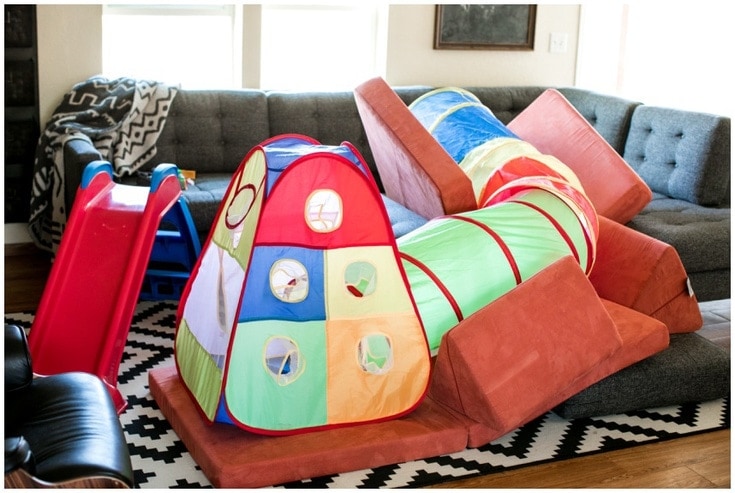
Build a fort. Kids know this already: The couch cushions or a few chairs and blankets make an awesome wonderland. Embrace your inner child, or let your kids show you the way.DIY Home Kid Indoor Play Gym - Petite Modern Life

Get a workout in. You don't need a gym membership to sweat it out. Pull-on your favorite leggings, choose a workout app and get your blood moving.

Write a letterIn the age of text messages and FaceTime, we don't write out our feelings in long-form. Get out some nice paper and spread some love to a friend or family member.

Watch a sports game. No sports on TV? Queue up some classic old games. And watching with kids or family can be really fun.

Call a friend. If you're usually a text person, pick up the phone or video call a faraway friend. The extra connection really makes you feel closer.

Watch a performance. Instead of turning on Netflix, watch an online tabla, sitar, or classical dance performance.

Learn a new language. Thanks to apps like Duolingo, you can stretch your mental muscles wherever you are.

Watch a movie solo. Getting whatever snacks you want, hoarding the couch, and laughing or crying as loud as you want: Movies make an excellent date for one.

Have a dance party. Turn on some tunes and get those socks hoppin'. Throw it back with oldies from your glory days or find some hot new stuff to shake your booty. In this lockdown or social distancing time, you can do a zoom dance party, ever thought of that, Try it once.

Learn a dance. Download any dance tutorial app or Youtube video and challenge yourself to learn one of the trending dances everyone is doing.

Play a video game. If you don't have a gaming console, try some of the fun new games that are added to the app store on your phone every day.

Creative Things to do indoors

Change up your décor. From the bedroom to the living room to the kitchen, we have countless ideas to help give your home a quick and easy makeover. Even just rearranging your furniture a little will feel fresh.

Make some wall art. You don't need to be a master painter to DIY some of these fabulous wall decor ideas.

Ah good idea | Wall painting decor, Simple wall paintings, Diy wall painting


Try a new recipe. Stop opening and closing the fridge hoping new snacks will magically appear. Take matters into your own hand and make your own tasty dish.

Start a new book. If you've run through your TV queue, go analog. Try one of the best books of the year to transport yourself to another world.

Try a coloring app. Adult coloring books are available in-stores and in mobile app stores, so no need to head to the store. Colorfy and Happy Color will help you get creative without any supplies needed.

Make a custom photo book. You don't need the talent of Michaelangelo to create a memorable photo book. A variety of online services can help you collect your photos into a beautiful keepsake.

Bake cookies. Choose a healthy cookie recipe so you can feel good every time you reach for one.

Make homemade ice cream. Give Ben & Jerry a run for their money and beat boredom. Simply combine a few ingredients in an ice cream maker and you'll be in awe.

Work on your wish list. Go ahead, dream big for the next holiday. Put together a wish list of items (or experiences) you have your eye on, so you'll never be caught off guard.

Become a YouTube star. Pretend you're Sanjeev Kapoor and film your own cooking show, or teach the camera how to DIY a craft or organization technique. The lifestyle of the rich and famous awaits.

Put together a care package. Take the focus off your own predicament by making a friend or family member feel extra special. Mail them a package full of their favorite things, perhaps with a theme like self-care.


Indoor stress-relief activities

Paint your nails. Create an at-home spa experience with a mani-pedi. Choose a trending summer hue, add an interesting design, and finish it off with a shiny topcoat.     

Take a bubble bath. Embrace your free time with a mountain of bubbles and a few drops of essential oils. Bring a good book in there with you, if you don't mind it getting a tad damp

Try out a new hairstyle or experiment with your hair. It is definitely going to give your life a fresh kick and maybe you discover something interesting about you.

Do a face mask. For a quick pick-me-up, apply a nourishing face mask. You can choose one to target several issues, including dry skin, acne, or to brighten up a dull complexion. Whatever ails you, there's a mask for that.

Start journaling. Time will fly by as you jot down your thoughts in a journal. If you want to go even deeper, venture into the artistic world of bullet journals.

Listen to a meditation video. When your mind starts to spiral, turn it inward. Mediation videos can easily guide you through mindful exercises and techniques to reach inner peace.

Try living room yoga. In addition to strengthening your whole body, yoga helps center your mind. You can do it at home with no equipment using a free app, too.

Do ZumbaThere's something about this structured dance party that is sure to lift your spirits.

Organizing activities to pass time

Clean out your closet. Go through your clothes to rediscover some old favs. If you haven't worn it in the past year, consider posting it on a clothing resale app or needy so it can find a new home.

Organize your kitchen. You're ready to dive into the wonderful world of drawer and cabinet organizers. Please hold the applause.

Spruce up your outdoor space. Out of sight, it's out of mind, but outdoor spaces also deserve a little attention. Maybe now's the time to shop for new outdoor furniture and accent pieces for those summer get-togethers.

Spot-treat your white shoes. White shoes pretty much go with every outfit, but only if they stay that way. Making some effort for their maintenance is a good idea.

Shop for new essentials. Whether you need to stock up on more cleaning products or your bed is ready for new sheets, grab a notepad or your Notes app and take a lap around the house to see what you need.

Give an old piece new lifeMaybe you've got an old chair that never quite fit, or odds n' ends that could become something else. Go ahead, DIY it.

Tackle a trouble spot. You know that corner that hasn't been organized since you moved in? Use your free time to fix it.

Scour your whole house. When we get bored, we often feel helpless. But tackling even the simplest task, like doing the dishes, can boost your mood immediately. Start with these easy cleaning tips or try a full schedule to tackle every inch of the house.

Shine the windows. You'll be amazed how much brighter things look with sparkling clean windows. Let the sunshine in with these tips for the best results.

Wash your makeup brushes. When was the last time you cleaned all of your makeup tools? Yes, even your ride-or-die Beautyblender could use a scrub. Your skin will thank you.

Sort through your purses. As the season change, so do our purses. While switching between bags, we all leave stuff in the bottom (receipts, gum wrappers, pens, etc). Clean out your purses and you just might find that lost lipstick – or at least some spare change.

Clean out your closet. Go through your clothes to rediscover some old favs. If you haven't worn it in the past year, consider posting it on a clothing resale app so it can find a new home.


Outdoor activities to do when you're bored


Top Choices of Outdoor Fun | Pippy Park Golf


Enjoy the food outdoors. Take your lunch to the backyard or patio to get a little vitamin D while you indulge. A glass of wine/juice doesn't hurt either.

Go for a long walk. Plan a route past your favorite landmarks, a local park, or just around the neighborhood. Stop and smell the flowers – literally.

Take your pet to the park. Whether you have a lively dog, an adventurous cat, or even a sweet rabbit, they'll appreciate a wander with their favorite person.

Start a garden. Roll up your sleeves and get your hands dirty in the backyard or your windowsill, if you don't have outdoor space. In addition to the de-stressing benefits, all that digging quickly turns into a workout.Balcony Garden Design: A guide to greening up this space

https://www.facebook.com/The-Alankaran-107146281054144

Go for a bike ride. Take a tour of your surroundings and get some exercise by jumping on a bicycle.

Take a driveYou don't need a destination — just a great playlist and the open road. 

Have a backyard campoutPitch a tent between your back gardens or terrace and see your outdoor space in a whole new way. Or if the weather isn't cooperating, do the same in your own living room.

Backyard Camping Trip for Quarantine During Coronavirus (COVID-19) -  Mountain Mat


For such interesting and informative stuff do follow and subscribe so you never miss any useful article.
Good Luck

The Most Emotionally Intelligent Zodiac Signs Ranked From Most To Least

The Most Emotionally Intelligent Zodiac Signs Ranked From Most To Least One of the finest qualities anyone can have is emotional intelligenc...